
Chronic Pain Treatment in Rainham & Medway
Pain that keeps coming back needs a different approach
Most treatment focuses on where it hurts. We focus on why it keeps happening.
“After years of abuse at work and chronic back pain, Josh eased my mind and got me to think differently and manage my pain in a completely different way.”
Persistent pain is real, and more complex than one sore structure
Once pain has lasted longer than three months it is no longer just about tissue damage.
The nervous system has adapted. And that means a different kind of treatment is needed.
It can affect your sleep. Your work. Your confidence. Your family life. Your mental health. And it rarely responds to short term fixes.
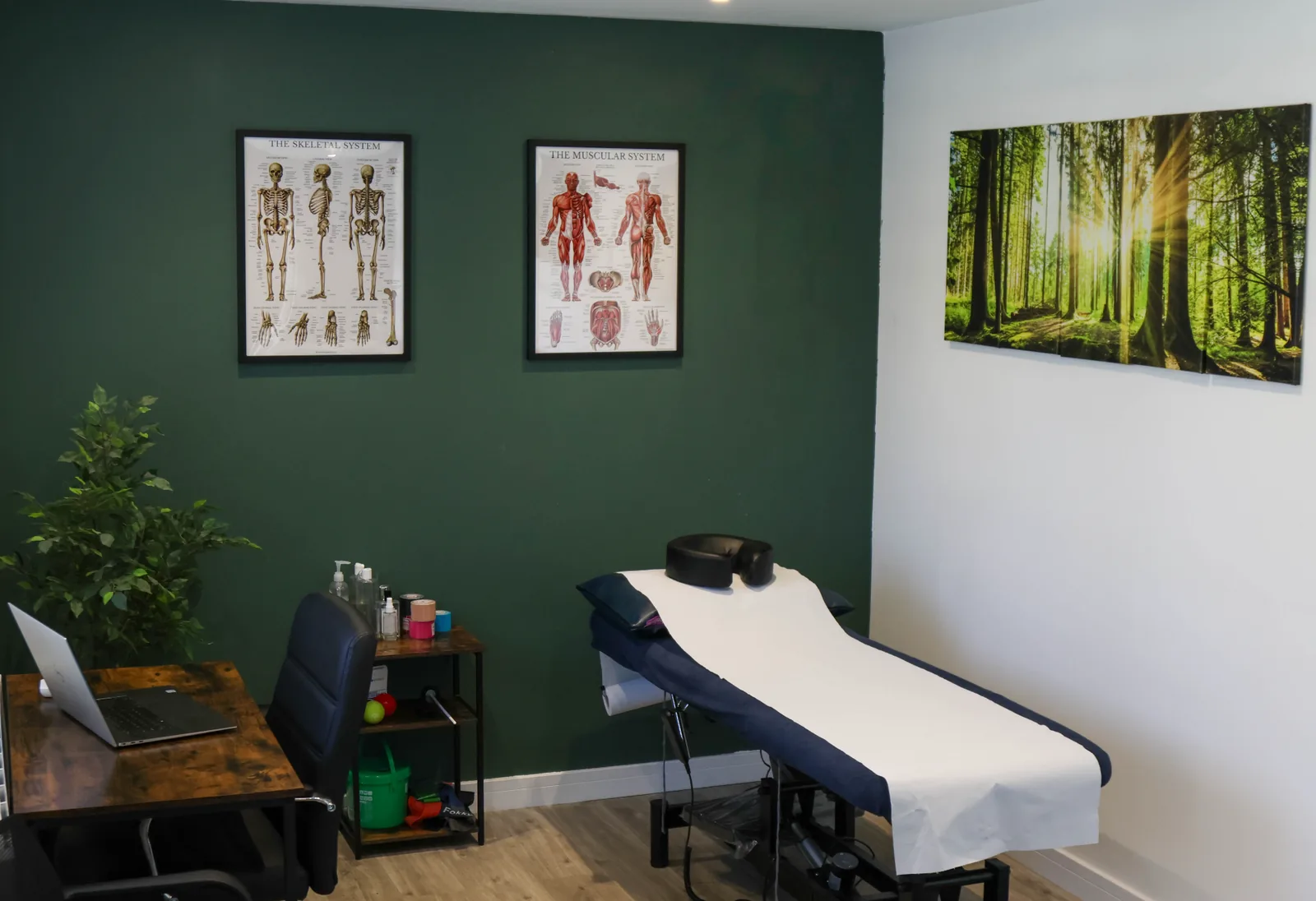
“When you step into the clinic, you really don't feel it's one. Made at the homely corner of a cozy garden. So there's least chance one's nervous system will be hyperactive with the apprehension of meeting a therapist.”

Why it keeps going
Persistent pain is usually held in place by several things at once, which is why one size fits all treatment falls short.
Physical factors
Mobility, strength, posture and old injuries all play a role in keeping pain alive.
Lifestyle factors
Sleep quality, stress levels and daily habits directly influence how the nervous system processes pain.
Emotional factors
Anxiety, fear of movement and low mood can amplify pain signals significantly.
Social factors
Work pressure, family demands and lack of support are often overlooked drivers of persistent pain.
What treatment involves
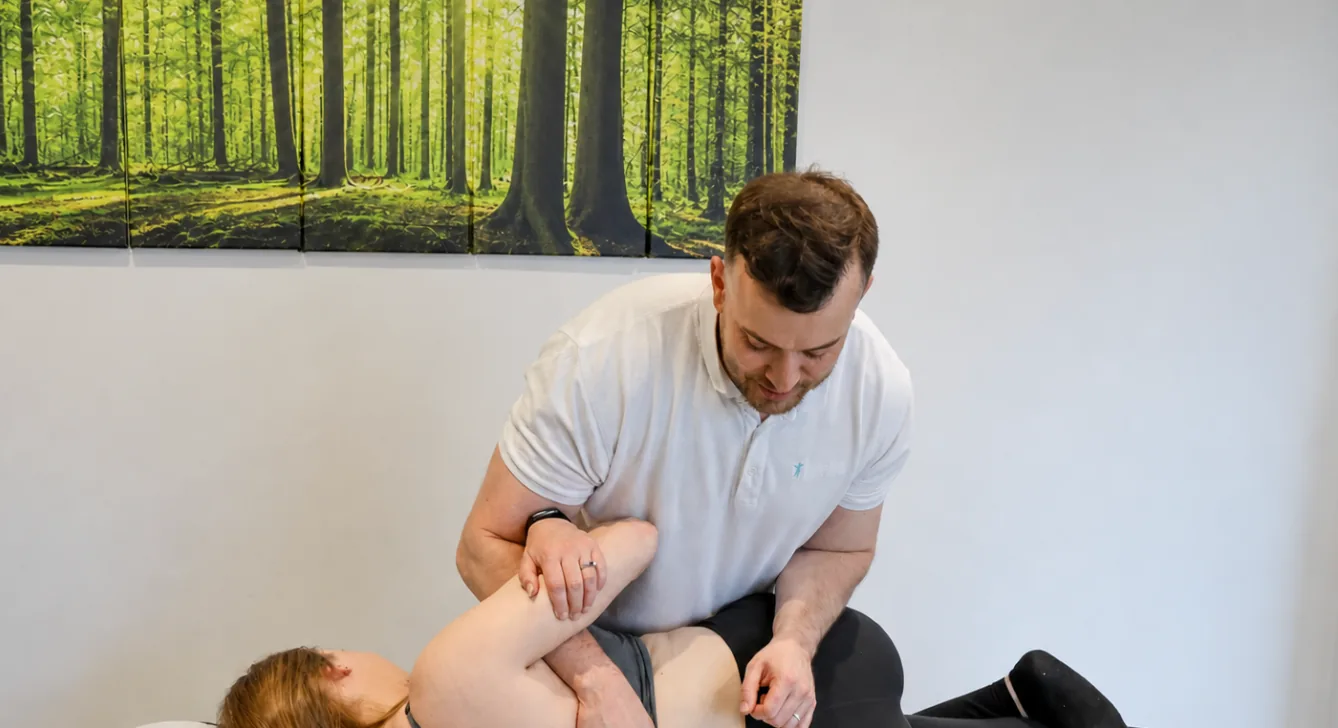
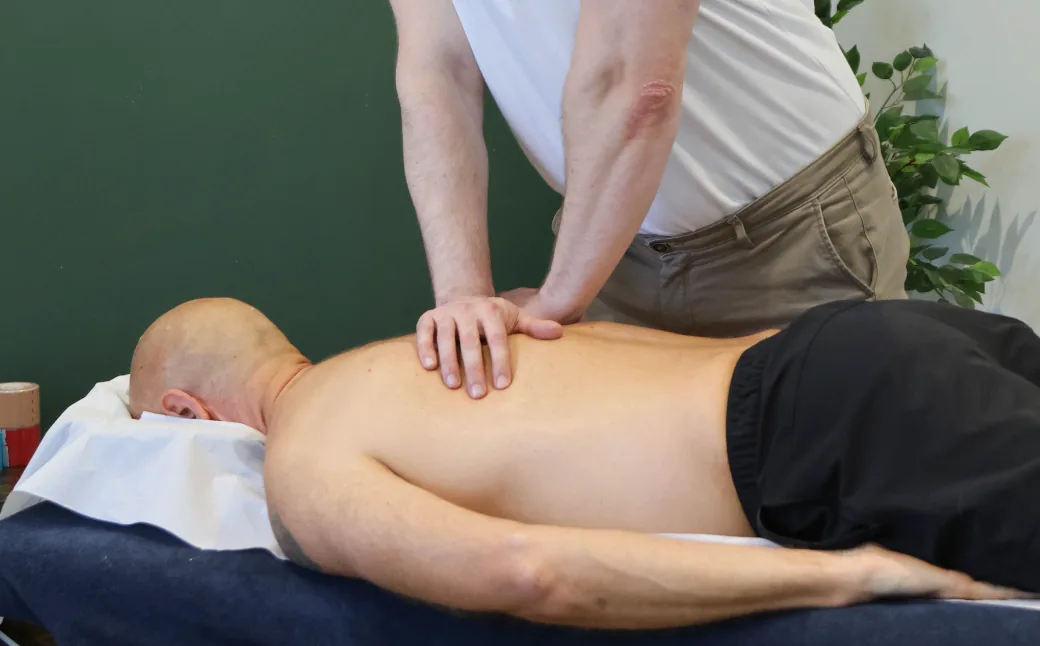
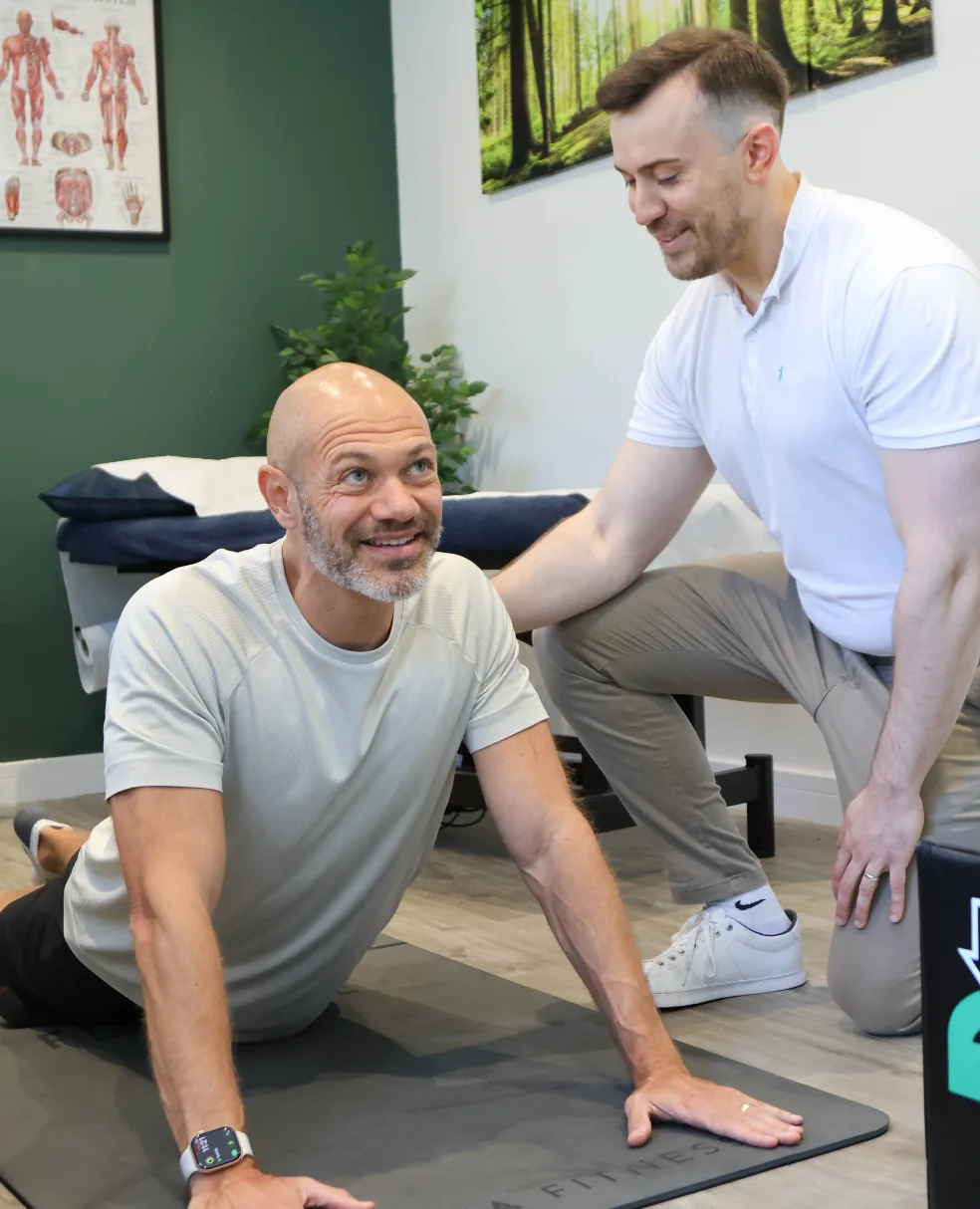
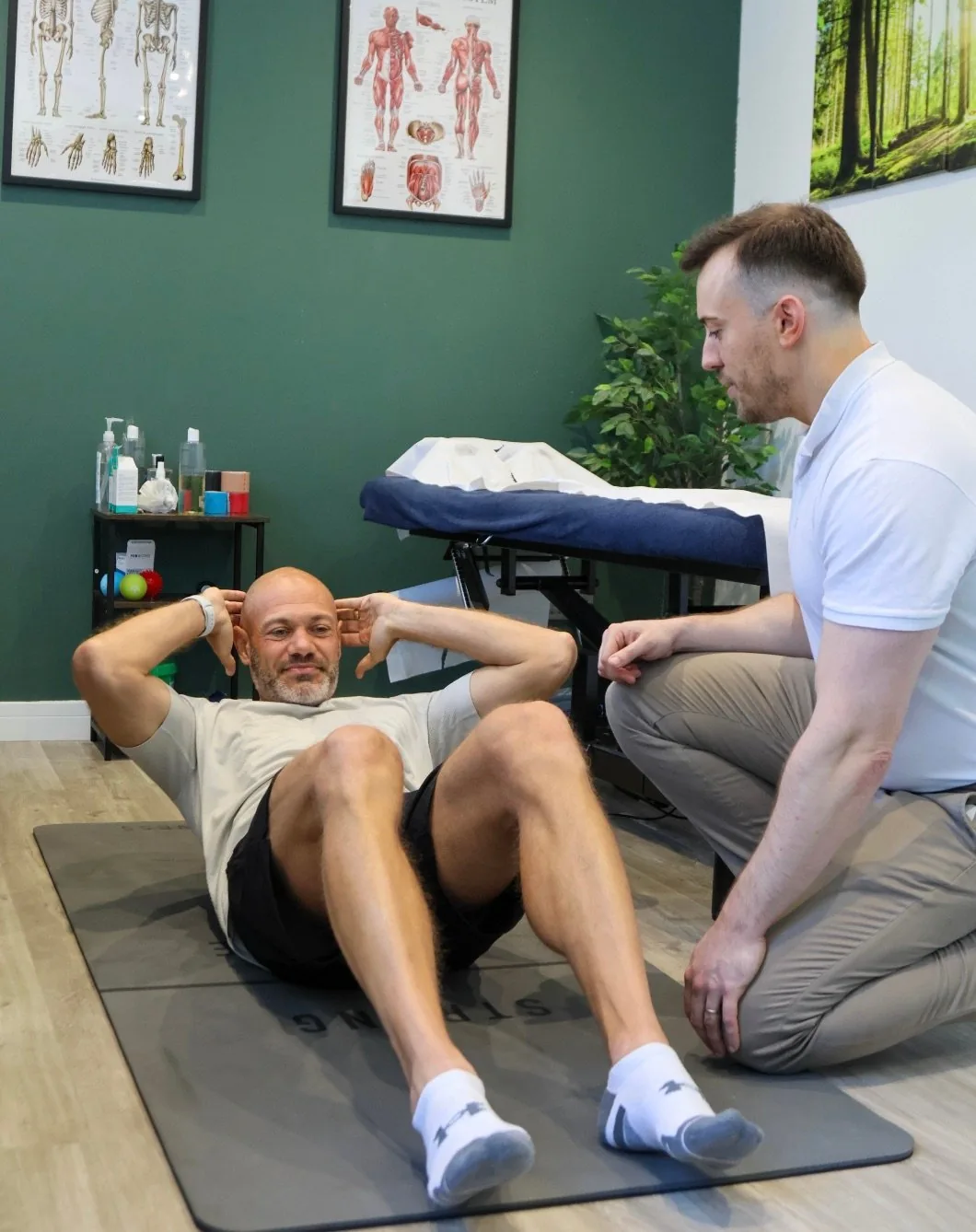
Assessment, hands on treatment and graded loading, matched to what we find.
In their own words
Raffaela
Long term chronic spinal pain, helped over the last 12 months.
Elizabeth
Pain in her back for 10 years. Back in the gym, back in control.
What our patients say
An approach no one else had
“I have a herniated disc and arthritis in my lumbar spine that has taken over my life for years. Josh took on my pain with an approach that no one else has.”
Thirteen years of rheumatoid arthritis
“I've had Rheumatoid Arthritis for 13 years but the past 2 years have been awful. I found my mobility reducing and the pain increasing. I was only able to control the pain with a lot of painkillers or steroid injections.”
More than just exercises
“I have always found previous physio appointments to be very black and white. The outcome has always been a referral and some exercises. It never took account of my mental health and my emotional wellbeing.”
What recovery actually looks like
How persistent pain actually changes
Not a straight line, and not overnight. This is the shape most people follow.
- Week 1
Understanding it
A full history and examination, then an explanation of what is driving the pain and what is keeping it going. Most people leave the first appointment understanding their pain for the first time.
- Weeks 2 to 4
Settling the system
Hands on treatment where it helps, alongside gentle graded movement. The aim is not to chase the pain away but to reduce how reactive the system has become.
- Weeks 4 to 8
Building tolerance
Progressive loading, matched to what you can currently handle rather than what a protocol says. This is the part that produces lasting change, and the part most treatment skips.
- Weeks 8 and beyond
Back to your life
Returning to the things you stopped doing, with a plan for the flare ups that will still happen. Knowing how to handle a flare is what stops it becoming another year of pain.
Why the usual route often stalls
What usually happens
- Ten to fifteen minutes, then a sheet of exercises
- A different clinician each visit
- Treatment aimed at wherever it hurts
- A scan used to explain pain it may not be causing
- Discharged when the pain dips, not when it holds
What happens here
- Long enough to take a full history and examine you
- The same physiotherapist from assessment to discharge
- Assessment of the whole picture, not the sore area alone
- Imaging only where it would genuinely change the plan
- A plan with an end point, and honesty if we cannot help
Common questions
How long is an appointment and how many will I need?
Do you see people with fibromyalgia?
What makes this different to an NHS pain clinic?
What if I have tried physio before and it did not help?
Get help with persistent pain
Name, number, email and a line about what is going on.
- No referral needed
- Evenings until 9pm plus weekends
- Free 10 minute call if you would rather talk first
- We will say if physiotherapy is not the right answer
Find us
The clinic is at 9 Eastwood Meadow in Rainham, with parking directly outside.
BetterMe Physiotherapy
9 Eastwood Meadow
Rainham, Gillingham
ME8 8FA
Parking
Dedicated spaces for patients, with step free access from the car to the treatment room.
Opening hours
Mon to Fri 09:00 to 21:00
Saturday 09:00 to 18:00
Sunday 09:00 to 14:00
Start with a full assessment
One appointment to work out what is keeping the pain going, and a plan built around your life. A free 10 minute call first is fine too.
110+ five star Google reviews · HCPC registered · MACP accredited